


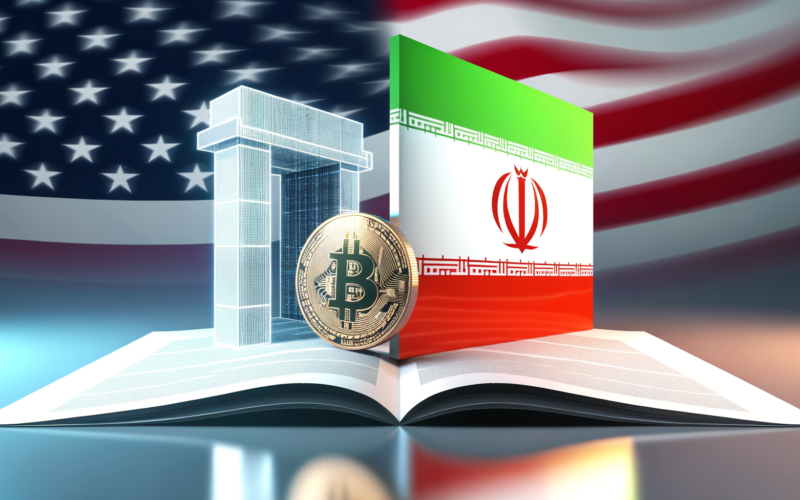
DOJ investigates Iran’s use of Binance for sanctions evasion. Could crypto be a global loophole? #Binance #Iran #CryptoNews
- Introduction
- The Historical Context of Sanctions and Cryptocurrency
- Main Insights on Binance’s Alleged Role
- Challenges and Opportunities
- Future Outlook: Emerging Trends and Predictions
- Final Reflections on Binance’s Investigation
Introduction
The intricate relationship between cryptocurrency exchanges and global regulations has reached a pivotal moment as the U.S. Department of Justice (DOJ) investigates alleged sanctions evasion involving Iran and Binance. This investigation touches on the core of financial ethics, international law, and the technological advancement of digital currencies. Binance, a leading cryptocurrency exchange known for its vast global reach, finds itself under the microscope for allegedly facilitating transactions that may have helped Iran circumvent U.S. sanctions. As digital currencies continue to gain traction, understanding the implications of this probe is crucial for stakeholders across the globe. This article delves into the key aspects of the investigation, exploring the historical context, the main insights, and potential challenges and future implications for the cryptocurrency industry and beyond.
The Historical Context of Sanctions and Cryptocurrency
To comprehend the gravity of the DOJ’s investigation into Binance, one must first understand the historical backdrop of economic sanctions and the rise of cryptocurrencies. Economic sanctions are tools used by countries, particularly the United States, to exert pressure on nations, entities, or individuals that threaten their national security or violate international norms. Traditionally, these sanctions have targeted traditional banking systems, but the advent of cryptocurrencies has introduced new dimensions to these measures.
Cryptocurrencies, with their decentralized nature and pseudonymous transactions, have presented both opportunities and challenges in the realm of international finance. Initially lauded for their potential to democratize finance, cryptocurrencies have also become a medium for circumventing financial restrictions. Iran, facing severe economic sanctions from the U.S., has been reported to explore cryptocurrencies as a means to mitigate the economic impact. Binance, with its vast trading volumes and global presence, became a focal point in this narrative amid allegations of facilitating these evasion efforts.
Main Insights on Binance’s Alleged Role
1. How Iran Allegedly Used Binance
The Wall Street Journal reported that the DOJ is investigating whether Iran used Binance to evade U.S. sanctions, focusing on transactions potentially linked to networks supporting Iran-backed groups like Yemen’s Houthi militants. The intricacy of this alleged scheme highlights the challenges regulators face in tracking and controlling digital currencies.
2. Binance’s Compliance and Oversight
Binance has repeatedly denied any wrongdoing, emphasizing its commitment to compliance and regulatory standards. However, the DOJ’s probe suggests significant scrutiny over the exchange’s internal controls and compliance measures. The investigation may set a precedent for how cryptocurrency exchanges are expected to monitor and report suspicious activities.
3. The Global Implications of the Investigation
The outcome of this investigation could have far-reaching consequences for the cryptocurrency industry. It underscores the importance of robust compliance frameworks and may prompt other exchanges to reassess their practices. Additionally, it highlights the need for global cooperation in regulating digital currencies and preventing their misuse.
4. The Role of Technology in Evasion Tactics
Advanced technologies, including blockchain analytics, are crucial in uncovering the complexities of these transactions. This case illustrates the potential of such tools in identifying patterns and tracing illicit activities, paving the way for more sophisticated regulatory approaches.
Challenges and Opportunities
While the investigation presents challenges, it also offers opportunities for growth and innovation within the cryptocurrency sector.
1. Regulatory Challenges
The primary challenge lies in developing regulations that effectively address the unique characteristics of digital currencies without stifling innovation. Balancing security and privacy remains a critical issue as regulators strive to prevent misuse while respecting legitimate use cases.
2. Opportunities for Enhanced Compliance
Exchanges like Binance have the opportunity to lead the way in developing advanced compliance tools and technologies. By investing in blockchain analytics and strengthening their internal controls, they can build trust and attract more users seeking secure and compliant trading platforms.
3. The Path to Global Standards
This investigation could accelerate efforts to establish global standards for cryptocurrency regulation. Collaborative efforts between governments, exchanges, and financial institutions are essential to creating a cohesive framework that addresses the challenges posed by digital currencies.
Future Outlook: Emerging Trends and Predictions
As the DOJ’s investigation unfolds, several trends and predictions emerge for the future of cryptocurrencies and their regulation.
1. Increased Regulatory Scrutiny
The focus on Binance is likely to prompt increased scrutiny of other exchanges, pushing the industry toward greater transparency and accountability. Exchanges will need to adopt best practices to ensure compliance and mitigate the risk of similar allegations.
2. Innovation in Compliance Solutions
The demand for innovative compliance solutions will grow, driving advancements in blockchain analytics and identity verification technologies. These innovations will be crucial in helping exchanges navigate complex regulatory landscapes.
3. A Shift Toward Decentralized Solutions
The challenges faced by centralized exchanges may fuel the growth of decentralized finance (DeFi) platforms. DeFi offers an alternative model that aligns with the core principles of cryptocurrencies, promising greater autonomy and reduced reliance on intermediaries.
Final Reflections on Binance’s Investigation
The DOJ’s investigation into Binance’s alleged role in Iran’s sanctions evasion is a pivotal moment for the cryptocurrency industry. It highlights the complex interplay between innovation and regulation, underscoring the need for robust compliance frameworks and global cooperation. As the industry evolves, exchanges must embrace transparency and accountability to build trust and ensure the sustainable growth of digital currencies. This case serves as a reminder of the responsibilities that come with innovation and the potential for cryptocurrencies to transform the global financial landscape. By navigating these challenges thoughtfully, the industry can unlock new opportunities and continue to drive positive change in the world of finance.