


Trump warns Iran of living in Hell if Strait of Hormuz remains closed, sending mixed signals about a deal. Crypto markets react with a bounce. #IranDeal #CryptoNews #OilPrices
- Understanding Trump’s Threats and Their Global Impact
- The Strait of Hormuz: A Historical and Strategic Overview
- Main Insights on Trump’s Iran Remarks
- The Immediate Market Reaction: Cryptocurrency Bounce
- The Role of Geopolitical Events in Cryptocurrency Markets
- The Prospects of a Deal: Mixed Signals and Market Sentiment
- Challenges and Opportunities in the Geopolitical Landscape
- Navigating the Risks: The Economic and Political Fallout
- Opportunities for Digital Assets: A Safe Haven in Uncertain Times
- The Future Outlook: Navigating Uncertainty and Embracing Innovation
- Final Reflections on the Geopolitical Ripple Effect
Understanding Trump’s Threats and Their Global Impact
In an era where geopolitical tensions can significantly influence financial markets, recent developments involving former U.S. President Donald Trump and Iran have captured the attention of investors worldwide. Trump’s stark warnings about the Strait of Hormuz—a critical chokepoint for global oil shipments—have sent ripples through the cryptocurrency market, highlighting the complex interplay between international politics and digital assets. This article delves into the details of Trump’s threats, the potential for a deal with Iran, and the broader implications for the global economy and cryptocurrency markets.
The Strait of Hormuz: A Historical and Strategic Overview
A Vital Waterway in Global Trade
The Strait of Hormuz has long been recognized as one of the world’s most critical maritime passages. Situated between the Persian Gulf and the Arabian Sea, this strategic waterway serves as the primary conduit for the transportation of oil from the Middle East to global markets. Approximately 20% of the world’s petroleum passes through the Strait, making its security and accessibility paramount to global energy stability.
Historical Tensions and Strategic Importance
Historically, the Strait of Hormuz has been a flashpoint for geopolitical tensions, with various regional and international powers vying for influence over this vital corridor. The strategic importance of the Strait cannot be overstated, as any disruption to its operation could have far-reaching consequences for oil prices and, by extension, the global economy. This historical context underscores the significance of Trump’s recent threats and the potential ramifications of any conflict in the region.
Main Insights on Trump’s Iran Remarks
The Immediate Market Reaction: Cryptocurrency Bounce
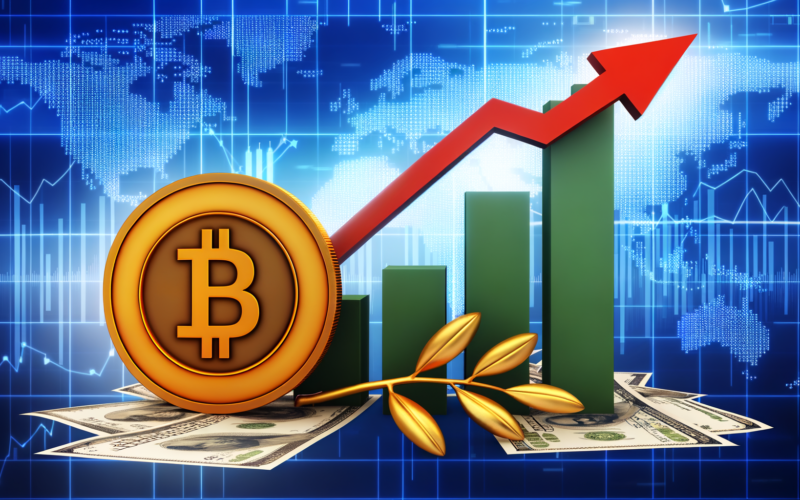
The immediate impact of Trump’s threats was felt across financial markets, with cryptocurrency markets experiencing a notable bounce. Following his comments, the total market capitalization of cryptocurrencies climbed by approximately $70 billion, marking a 2.5% increase. Bitcoin, the flagship digital asset, surged to $69,500 on Coinbase, reflecting the heightened investor interest and market volatility.
The Role of Geopolitical Events in Cryptocurrency Markets
Geopolitical events have increasingly influenced cryptocurrency markets, often serving as catalysts for price movements. In this context, Trump’s threats regarding the Strait of Hormuz exemplify how geopolitical tensions can create uncertainty and drive demand for digital assets as investors seek alternative stores of value. This dynamic underscores the growing interconnectedness between global politics and the cryptocurrency ecosystem.
The Prospects of a Deal: Mixed Signals and Market Sentiment
Despite the aggressive rhetoric, Trump also hinted at the possibility of a deal with Iran, stating that negotiations were underway and expressing optimism about a resolution within 24 hours. These mixed signals have contributed to market volatility, as investors weigh the potential outcomes and their implications for global markets. The prospect of a ceasefire and a potential end to the war in the region adds another layer of complexity to the situation, further influencing market sentiment.
Challenges and Opportunities in the Geopolitical Landscape
The geopolitical tensions surrounding the Strait of Hormuz present significant challenges and risks for global markets. The potential for military conflict and the disruption of oil supplies could lead to surging oil prices, exacerbating inflationary pressures and impacting economic growth. Additionally, the political fallout from any escalation in hostilities could have far-reaching implications for international relations and global stability.
Opportunities for Digital Assets: A Safe Haven in Uncertain Times
Amidst the uncertainties, digital assets like cryptocurrencies offer potential opportunities for investors. As traditional markets grapple with geopolitical risks, cryptocurrencies can serve as a hedge against market volatility and inflation. The decentralized nature and limited supply of assets like Bitcoin make them attractive options for investors seeking to diversify their portfolios and mitigate risk in uncertain times.
Emerging Trends in Cryptocurrency Adoption
Looking ahead, the geopolitical landscape will likely continue to influence cryptocurrency markets, driving the adoption of digital assets as investors seek alternative investment opportunities. The increasing recognition of cryptocurrencies as a legitimate asset class and their integration into traditional financial systems will further bolster their appeal in the face of global uncertainties.
The Role of Innovation in Shaping the Future
Innovation will play a crucial role in shaping the future of cryptocurrencies and their interaction with geopolitical events. As blockchain technology continues to evolve, its potential applications in areas like supply chain management, cross-border transactions, and digital identity verification will further enhance the utility and adoption of digital assets. Embracing innovation will be essential for navigating the challenges and opportunities presented by the dynamic geopolitical landscape.
Final Reflections on the Geopolitical Ripple Effect
Key Takeaways for Investors and Policymakers
The recent developments involving Trump and Iran highlight the intricate relationship between geopolitics and financial markets. For investors, understanding these dynamics and their potential impact on cryptocurrency markets is crucial for making informed investment decisions. For policymakers, recognizing the growing influence of digital assets in the global financial system will be essential for developing regulatory frameworks that balance innovation with stability.
Embracing a Resilient and Adaptive Approach
In conclusion, navigating the complexities of the geopolitical landscape and its impact on cryptocurrency markets requires a resilient and adaptive approach. By staying informed, embracing innovation, and leveraging the potential of digital assets, investors and policymakers can effectively respond to the challenges and opportunities of an increasingly interconnected world.