



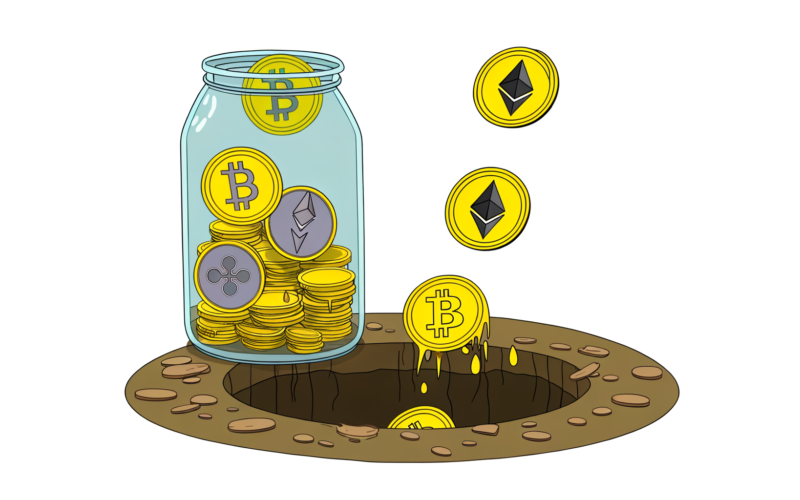
Crypto crash alert: Bitcoin & Ethereum plummet as liquidations hit $2.5B. Will the crypto tide turn soon? #CryptoCrash #Bitcoin #Ethereum
- Unveiling the Crypto Market Plunge: Key Insights and Implications
- The Historical Context of Cryptocurrency Volatility
- Main Insights on the Crypto Market Crash
- Challenges in Navigating the Crypto Market
- The Future Outlook for Cryptocurrencies
- Final Reflections on the Crypto Market Downturn
Unveiling the Crypto Market Plunge: Key Insights and Implications
The cryptocurrency market has recently experienced one of its most tumultuous phases, with substantial liquidations surpassing $2.5 billion, as major cryptocurrencies such as Bitcoin, Ethereum, and XRP have seen their prices plummet. This dramatic downturn has sent shockwaves through the financial landscape, sparking concerns among investors and analysts alike. Understanding the underlying causes and potential implications of this market crash is crucial for navigating the volatile world of digital currencies.
In this article, we delve into the factors contributing to the crypto market’s recent decline. We’ll explore the historical context of cryptocurrency volatility, examine the immediate causes of the current downturn, and provide insights into the potential future trajectory of the market. Additionally, we’ll discuss the impact of this crash on investors and the broader financial ecosystem, offering actionable tips for those looking to navigate these turbulent times.
The Historical Context of Cryptocurrency Volatility
From Bitcoin’s Inception to Mainstream Adoption
The journey of cryptocurrencies began with the introduction of Bitcoin in 2009, a revolutionary concept that promised to decentralize finance and offer an alternative to traditional monetary systems. Over the years, Bitcoin and other cryptocurrencies have experienced significant volatility, characterized by meteoric rises and dramatic crashes. This volatility can be attributed to several factors, including speculative trading, regulatory developments, and macroeconomic influences.
Bitcoin’s early years were marked by skepticism and limited adoption, but the digital currency gradually gained traction, attracting attention from institutional investors and mainstream financial institutions. The subsequent rise in demand fueled dramatic price surges, with Bitcoin reaching an all-time high of over $60,000 in 2021. However, this rapid ascent was accompanied by increased scrutiny from regulators and concerns over environmental impacts, leading to periods of heightened volatility.
The Evolution of the Crypto Ecosystem
As the cryptocurrency ecosystem expanded, new players such as Ethereum and XRP emerged, each offering unique value propositions and use cases. Ethereum, for instance, introduced smart contracts, enabling decentralized applications and paving the way for the burgeoning DeFi (Decentralized Finance) sector. XRP, on the other hand, focused on facilitating cross-border transactions, positioning itself as a viable alternative to traditional banking systems.
Despite these advancements, the crypto market remained susceptible to external shocks and market sentiment. The speculative nature of the market, coupled with regulatory uncertainties and macroeconomic trends, contributed to its inherent volatility. Understanding this historical context is essential for grasping the factors that have shaped the current market dynamics.
Main Insights on the Crypto Market Crash
Unpacking the Causes of the Recent Downturn
The recent crypto market crash can be attributed to a confluence of factors, each playing a role in exacerbating the decline. One significant factor is the broader macroeconomic environment, characterized by rising inflation and concerns over potential interest rate hikes. These factors have led to a risk-off sentiment among investors, prompting a shift away from speculative assets like cryptocurrencies.
Additionally, fears of a potential U.S. government shutdown and the bursting of a perceived bubble in AI investments have further fueled market anxiety. As a result, investors have been reevaluating their portfolios, leading to massive sell-offs and subsequent price declines in major cryptocurrencies.
The Impact of Liquidations on Market Dynamics
A notable aspect of the recent crash is the substantial volume of liquidations, which have surpassed $2.5 billion. Liquidations occur when leveraged positions are forcibly closed due to insufficient collateral, resulting in the liquidation of assets. In this instance, the majority of liquidations were long positions, indicating that many investors were betting on a price increase.
Ethereum accounted for nearly half of the total liquidations, with $1.14 billion worth of positions liquidated, followed by Bitcoin with $765 million. This wave of liquidations has exacerbated the downward pressure on prices, creating a feedback loop that intensified the market decline.
Market Sentiment and Investor Behavior
The crash has significantly impacted market sentiment, with investors adopting a more cautious approach to cryptocurrency investments. Data from prediction markets indicates a growing bearish sentiment, with a majority of investors forecasting further declines in Bitcoin’s price. This shift in sentiment reflects the uncertainty surrounding the market’s recovery and the potential for further downside risks.
Moreover, the outflow of assets from U.S. spot Bitcoin and Ethereum ETFs highlights investors’ moves away from risk-on assets, further underscoring the prevailing caution in the market. This trend is indicative of a broader risk aversion, as investors seek safer havens amid the current volatility.
Understanding the Risks and Uncertainties
Navigating the crypto market requires a keen understanding of the inherent risks and uncertainties that characterize this asset class. One of the primary challenges is the market’s susceptibility to external shocks, such as regulatory changes and macroeconomic developments. Investors must remain vigilant and stay informed about potential market-moving events that could impact their portfolios.
Additionally, the speculative nature of the market poses challenges for investors seeking long-term stability. The rapid price swings and potential for significant losses necessitate a strategic approach to risk management, including diversification and the use of stop-loss orders to mitigate downside risks.
The Role of Regulatory Developments
Regulatory developments play a crucial role in shaping the crypto market landscape. Governments and regulatory bodies worldwide are grappling with the complexities of regulating digital currencies, balancing the need for investor protection with fostering innovation. Changes in regulatory frameworks can significantly impact market sentiment and the adoption of cryptocurrencies, making it essential for investors to stay abreast of developments in this area.
The Future Outlook for Cryptocurrencies
Emerging Trends and Predictions
Despite the recent downturn, the future of cryptocurrencies remains promising, with several emerging trends poised to shape the market’s trajectory. One notable trend is the increasing institutional adoption of digital assets, driven by growing interest from financial institutions and corporations seeking exposure to this asset class.
Additionally, the continued evolution of decentralized finance (DeFi) and non-fungible tokens (NFTs) presents new opportunities for growth and innovation within the crypto ecosystem. These developments have the potential to expand the use cases for cryptocurrencies, attracting new participants and driving further adoption.
The Path to Recovery and Potential Opportunities
While the path to recovery may be uncertain, the current market downturn presents potential opportunities for savvy investors. The decline in prices offers a chance to acquire assets at discounted valuations, positioning investors for potential gains in the event of a market rebound. However, this approach requires a careful assessment of risk and a long-term perspective, given the market’s inherent volatility.
In conclusion, the recent crypto market crash underscores the importance of understanding the factors driving market dynamics and the need for a strategic approach to investing in digital assets. By staying informed and adopting prudent risk management practices, investors can navigate the complexities of the crypto market and capitalize on potential opportunities for growth.
Final Reflections on the Crypto Market Downturn
Key Takeaways and Lessons Learned
The recent crypto market downturn serves as a stark reminder of the volatility inherent in digital assets and the need for a disciplined investment approach. Key takeaways from this event include the importance of diversification, the need for ongoing market research, and the value of maintaining a long-term perspective.
Investors should also recognize the role of macroeconomic factors and regulatory developments in shaping market dynamics, staying attuned to potential risks and opportunities. By embracing a proactive and informed approach, investors can better navigate the challenges of the crypto market and position themselves for success in this rapidly evolving landscape.
As the crypto market continues to mature, it is essential for investors to remain adaptable and open to new developments, leveraging emerging trends and technologies to their advantage. By doing so, they can harness the transformative potential of digital currencies and participate in the future growth of this dynamic and exciting asset class.