

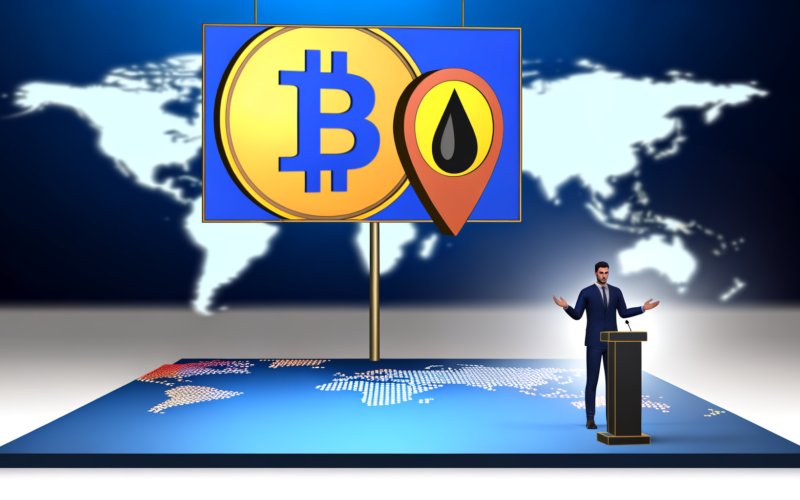
Tensions rise as Trump signals end to Iran conflict, affecting oil and Bitcoin. Will prices stabilize soon? #OilPrices #Bitcoin #MiddleEastConflict
- Understanding the Impact of Geopolitical Tensions on Oil and Cryptocurrency Markets
- The US-Iran Conflict: A Historical Perspective
- Analyzing Recent Market Movements Amidst Geopolitical Tensions
- Overcoming Challenges in Geopolitical Market Analysis
- Future Outlook: Emerging Trends and Predictions
- Final Reflections on Geopolitical Tensions and Market Dynamics
Understanding the Impact of Geopolitical Tensions on Oil and Cryptocurrency Markets
In recent times, the global economic landscape has been intensely shaped by geopolitical tensions, particularly those involving the United States and Iran. The complex interplay of military actions, economic policies, and international negotiations has had a profound impact on global markets, notably crude oil and cryptocurrency. This article delves into how these tensions have influenced market dynamics, exploring the implications for investors and policymakers alike. We will examine the historical context of the US-Iran conflict, analyze recent developments, and provide insights into future market trends.
The US-Iran Conflict: A Historical Perspective
The US-Iran relationship has been fraught with tension and conflict for decades. Rooted in a history of political and ideological differences, the relationship has seen numerous turning points that have affected global stability and economic markets. The origins of the conflict can be traced back to the 1979 Iranian Revolution, which led to the overthrow of the US-backed Shah and the establishment of an Islamic Republic. This marked a significant shift in Iran’s foreign policy, aligning it against US interests in the region.
Over the years, the US has imposed economic sanctions on Iran aimed at curbing its nuclear ambitions and regional influence. These measures have often escalated tensions, leading to military confrontations and economic repercussions. The Trump administration adopted a “maximum pressure” strategy, withdrawing from the Joint Comprehensive Plan of Action (JCPOA) in 2018 and re-imposing severe sanctions. This move heightened tensions and set the stage for the recent conflicts that have reverberated through global markets.
Analyzing Recent Market Movements Amidst Geopolitical Tensions
Crude Oil: The Lifeblood of Global Economy
Crude oil is often referred to as the lifeblood of the global economy, and any disruption in its supply can have far-reaching consequences. The recent escalation in US-Iran tensions has led to significant volatility in oil prices. Following President Trump’s announcement of “Operation Epic Fury” and subsequent military actions, oil prices surged above $100 a barrel. The threat of further conflict and potential disruptions in the Strait of Hormuz, a vital shipping channel for global oil supply, has kept markets on edge.
The Strait of Hormuz is a strategic chokepoint, with about 20% of the world’s oil passing through it. Any blockade or conflict in this region can lead to drastic fluctuations in oil prices, impacting everything from transportation costs to consumer goods prices. While recent talks suggest a potential de-escalation, the market remains sensitive to any developments in the US-Iran situation.
Bitcoin and Cryptocurrencies: A Digital Safe Haven?
Cryptocurrencies, particularly Bitcoin, have often been touted as a digital safe haven during times of economic uncertainty. However, the recent geopolitical tensions have painted a complex picture for digital assets. Following President Trump’s address, Bitcoin experienced a 2% drop, reflecting investor uncertainty and market volatility.
The relationship between geopolitical events and cryptocurrency prices is multifaceted. On one hand, cryptocurrencies offer an alternative investment during times of fiat currency instability. On the other hand, their prices are influenced by investor sentiment and global market trends. The recent downturn in Bitcoin’s value suggests that while cryptocurrencies are seen as a hedge against traditional market turbulence, they are not immune to the ripple effects of geopolitical tensions.
Stock markets globally have reacted to the unfolding geopolitical events with heightened volatility. The uncertainty surrounding the US-Iran conflict has led to fluctuations in stock prices, as investors assess the potential impact on global trade and economic growth. President Trump’s assertion that the stock market will rebound as tensions ease offers some optimism, but the road ahead remains uncertain.
Investors are closely watching developments in the Middle East, as any escalation could have significant implications for global supply chains and economic stability. The interplay between geopolitical risks and market performance underscores the importance of strategic decision-making and risk management for investors navigating these turbulent times.
Overcoming Challenges in Geopolitical Market Analysis
Understanding the Complex Geopolitical Landscape
Analyzing the impact of geopolitical tensions on markets requires a nuanced understanding of the complex geopolitical landscape. The interplay of political, economic, and social factors can create a web of uncertainty that challenges traditional market analysis. Investors and policymakers must consider a range of scenarios, from military conflicts to diplomatic negotiations, when assessing potential market outcomes.
The US-Iran conflict exemplifies the intricate dynamics at play. While military actions and economic sanctions capture headlines, underlying issues such as regional alliances, energy security, and global trade agreements also influence market trends. A comprehensive analysis must account for these multifaceted factors to provide a holistic understanding of market dynamics.
Managing Risks and Seizing Opportunities
Geopolitical tensions present both risks and opportunities for market participants. The volatility induced by conflicts can create investment opportunities for those willing to navigate the uncertainty. However, managing risks is paramount to safeguarding investments in such a volatile environment.
Diversification is a key strategy for mitigating risks associated with geopolitical tensions. By spreading investments across asset classes, sectors, and regions, investors can reduce exposure to specific geopolitical events. Additionally, staying informed about geopolitical developments and their potential market implications enables investors to make informed decisions and capitalize on emerging opportunities.
Future Outlook: Emerging Trends and Predictions
The Path Forward for Global Markets
As geopolitical tensions continue to shape global markets, understanding the potential future trends is essential for investors and policymakers. While the US-Iran conflict remains a focal point, broader geopolitical dynamics, such as US-China relations and regional alliances, will also influence market trends.
In the near term, the resolution of the US-Iran conflict will be a key determinant of market stability. A diplomatic resolution could alleviate market concerns and lead to a stabilization of oil prices and stock markets. Conversely, prolonged tensions or further escalation could exacerbate market volatility and disrupt global trade.
The Role of Cryptocurrencies in a Geopolitical World
Cryptocurrencies are likely to play an increasingly prominent role in a geopolitically influenced world. As digital assets gain acceptance and adoption, their potential as a hedge against geopolitical risks will continue to grow. However, the regulatory landscape and investor sentiment will play crucial roles in shaping the future of cryptocurrencies in the context of geopolitical tensions.
Investors and policymakers must remain vigilant in monitoring the evolving geopolitical landscape and its implications for global markets. By understanding the complex dynamics at play, stakeholders can navigate the challenges and opportunities presented by geopolitical tensions and position themselves for success in an uncertain world.
Final Reflections on Geopolitical Tensions and Market Dynamics
In conclusion, the interplay between geopolitical tensions and market dynamics is a testament to the complexity of the global economic landscape. The US-Iran conflict serves as a poignant example of how political and military actions can reverberate through global markets, impacting everything from oil prices to cryptocurrency values.
For investors and policymakers, understanding the nuances of geopolitical tensions is essential for informed decision-making and strategic planning. By navigating the challenges and seizing the opportunities presented by these events, stakeholders can position themselves for success in an ever-changing world.
As we look to the future, the lessons learned from the US-Iran conflict will inform our approach to managing geopolitical risks and capitalizing on market opportunities. By staying informed, diversifying investments, and embracing innovation, we can navigate the complexities of the global economic landscape and build a resilient future for markets worldwide.