


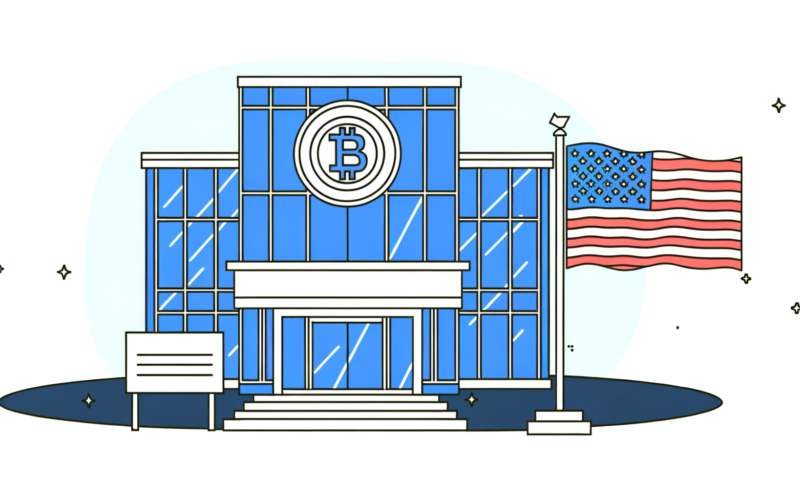
Nomura’s Crypto Subsidiary, Laser Digital, applies for a US banking charter to offer custody and trading services. #CryptoBanking #Finance #DigitalAssets
- Introduction: Understanding Nomura’s Strategic Move into U.S. Banking
- The Journey of Digital Finance: From Fringe to Mainstream
- Main Insights on Nomura’s U.S. Banking Charter Pursuit
- The Strategic Importance of U.S. Market Entry
- Custody and Spot Trading: Expanding Service Offerings
- Institutional Digital Asset Markets: A New Phase
- The Competitive Landscape: Joining the Ranks of Industry Pioneers
- Breaking Barriers: Challenges in U.S. Banking Charter Applications
- Navigating Regulatory Complexities
- Building Trust and Credibility
- Overcoming Technological and Operational Hurdles
- The Future of Digital Finance: Trends and Predictions
- The Rise of Digital Asset Banking
- The Role of Regulation in Shaping Digital Finance
- The Integration of Traditional and Digital Finance
- Final Reflections on Nomura’s Strategic Move
Introduction: Understanding Nomura’s Strategic Move into U.S. Banking
In a significant move for the digital finance sector, Laser Digital, a Swiss-based subsidiary of Japan’s largest investment bank, Nomura, has taken a bold step towards integrating with the U.S. financial system. The subsidiary has filed an application with the U.S. Office of the Comptroller of the Currency (OCC) to establish a national trust bank focused on digital assets. This strategic maneuver by Laser Digital is part of a broader trend where crypto firms are actively seeking U.S. banking charters, aiming to legitimize and expand their operations within the world’s most influential financial market. In this article, we will delve into the implications of this move, explore the historical context, and analyze the potential challenges and future prospects of such endeavors in the rapidly evolving landscape of digital finance.
The Journey of Digital Finance: From Fringe to Mainstream
The Evolution of Cryptocurrencies and Digital Banking
Cryptocurrencies have come a long way since the inception of Bitcoin in 2009. Initially perceived as a fringe technology, cryptocurrencies have gradually gained acceptance, moving from niche online forums to the boardrooms of major financial institutions. The evolution of digital currencies has been marked by significant milestones, including the introduction of Ethereum, which expanded blockchain’s capabilities beyond simple transactions to complex smart contracts. As the technology matured, financial institutions began to take notice, recognizing the potential of blockchain to revolutionize traditional banking systems by offering faster, cheaper, and more secure financial services.
Regulatory Milestones and the Role of the OCC
The regulatory landscape has played a crucial role in the journey of cryptocurrencies. The U.S. OCC has been at the forefront, setting the stage for digital assets’ integration into the traditional financial ecosystem. The issuance of banking charters to crypto firms marks a pivotal moment, signaling regulatory acknowledgment and support for digital asset innovation. This regulatory shift is not just a U.S. phenomenon; globally, countries are crafting policies to harness the benefits of blockchain while mitigating risks. Japan, for instance, has been proactive in regulating exchanges and promoting blockchain technology, creating a conducive environment for firms like Nomura to thrive.
Main Insights on Nomura’s U.S. Banking Charter Pursuit
The Strategic Importance of U.S. Market Entry
The U.S. financial market represents a colossal opportunity for any banking institution, more so for digital asset ventures. By obtaining a U.S. banking charter, Laser Digital can leverage the vast network and liquidity of the American financial system, offering its clients enhanced security and regulatory assurance. This move is not merely about market expansion; it is a strategic alignment with the global financial epicenter, positioning Laser Digital to influence the next chapter of digital finance.
Custody and Spot Trading: Expanding Service Offerings
Laser Digital’s plan to focus on digital asset custody and spot trading services highlights the expanding spectrum of services that crypto firms are beginning to offer. Custody services are critical, as they address concerns over the security of digital assets, a major barrier to institutional adoption. By providing robust custody solutions, Laser Digital aims to attract institutional investors who require secure and compliant storage for their digital assets. Spot trading services further complement this offering, providing liquidity and market access to a broader clientele.
Institutional Digital Asset Markets: A New Phase
The digital asset market is entering a new phase characterized by increased scale, regulation, and durability. As noted by Steve Ashley, Laser Digital’s chairman, this phase will be dominated by firms capable of operating under stringent regulatory scrutiny and demonstrating long-term viability. The pursuit of a U.S. banking charter by Laser Digital underscores its commitment to meeting these requirements and positioning itself as a leader in the institutional digital asset market.
The Competitive Landscape: Joining the Ranks of Industry Pioneers
Laser Digital is not alone in its quest for a U.S. banking charter. It joins a growing list of crypto firms, including Circle, Ripple, and BitGo, that have successfully obtained OCC national trust banking charters. These firms are paving the way for a new era of financial services, where digital assets and traditional banking coexist. By aligning with these industry pioneers, Laser Digital enhances its credibility and strengthens its competitive position in the digital finance landscape.
Breaking Barriers: Challenges in U.S. Banking Charter Applications
While the U.S. market offers immense potential, it also presents significant regulatory challenges. Obtaining a banking charter involves navigating a complex web of regulatory requirements, ensuring compliance with stringent financial laws, and demonstrating operational resilience. For crypto firms, this process is particularly challenging, as they must address concerns related to anti-money laundering (AML) and counter-terrorism financing (CTF) measures.
Building Trust and Credibility
Trust remains a significant challenge for digital asset firms. Despite growing acceptance, cryptocurrencies are still associated with volatility and speculative trading. To overcome this barrier, firms like Laser Digital must focus on building trust and credibility among institutional investors and regulators. This involves not only complying with regulatory standards but also demonstrating transparency, security, and accountability in their operations.
Overcoming Technological and Operational Hurdles
The integration of digital assets into traditional banking systems presents technological and operational challenges. Firms must invest in cutting-edge technology to ensure the seamless integration of blockchain with legacy systems. Additionally, they must develop robust risk management frameworks to mitigate the inherent risks associated with digital asset transactions.
The Future of Digital Finance: Trends and Predictions
The Rise of Digital Asset Banking
The pursuit of U.S. banking charters by crypto firms signals a broader trend towards the institutionalization of digital finance. In the coming years, we can expect more digital asset firms to seek regulatory approval, leading to the emergence of a new category of digital banks. These institutions will offer a range of services, from custody and trading to lending and investment, reshaping the financial landscape.
The Role of Regulation in Shaping Digital Finance
Regulation will play a pivotal role in shaping the future of digital finance. As regulators continue to refine their approach to digital assets, we can expect clearer guidelines and standards that promote innovation while safeguarding investor interests. This regulatory clarity will provide a solid foundation for the growth and mainstream adoption of digital asset services.
The Integration of Traditional and Digital Finance
The lines between traditional and digital finance will continue to blur, with more banks incorporating digital assets into their offerings. This integration will be driven by consumer demand for more efficient, accessible, and secure financial services. As traditional banks embrace digital assets, they will unlock new revenue streams and enhance their competitive edge in an increasingly digital world.
Final Reflections on Nomura’s Strategic Move
Key Lessons from Nomura’s U.S. Banking Charter Pursuit
Nomura’s pursuit of a U.S. banking charter through its subsidiary, Laser Digital, offers valuable insights into the evolving landscape of digital finance. It highlights the strategic importance of regulatory approval and market entry in establishing credibility and expanding service offerings. By aligning with regulatory frameworks and industry pioneers, Nomura is well-positioned to lead the next phase of digital finance.
The Broader Implications for the Financial Industry
The move by Laser Digital reflects a broader shift in the financial industry towards embracing digital assets. It underscores the growing recognition of cryptocurrencies as a legitimate asset class and the need for traditional financial institutions to adapt to changing market dynamics. As more firms follow suit, the financial industry will experience a transformation, characterized by greater innovation, competition, and collaboration.
Embracing the Future of Digital Finance
The future of digital finance is bright, with immense opportunities for growth and innovation. By embracing regulatory standards and technological advancements, firms like Laser Digital can lead the way in shaping a new era of financial services. As the boundaries between traditional and digital finance continue to dissolve, the financial industry must remain agile and forward-thinking, ready to seize the opportunities presented by this dynamic and rapidly evolving landscape.