



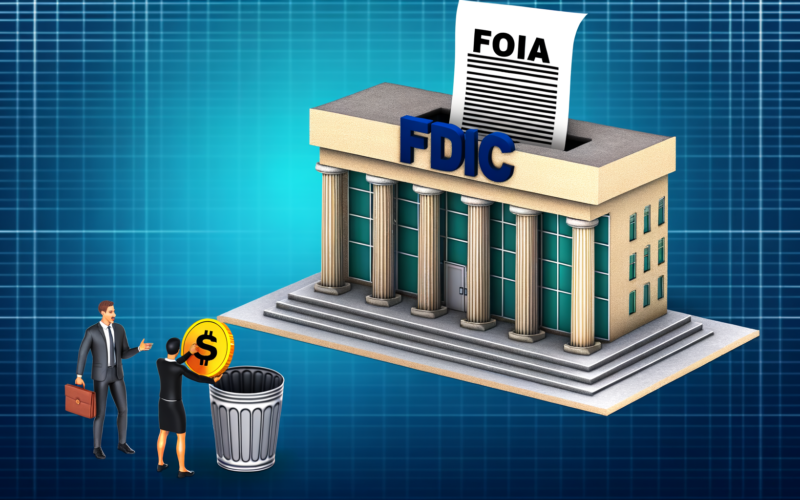
FDIC settles with Coinbase, agrees to pay legal fees and release crypto “pause letters.” Transparency triumphs! #CryptoNews #FDIC #Transparency
- Understanding the FDIC-Coinbase Settlement: Key Insights and Relevance
- The Journey of Operation Choke Point 2.0: From Allegation to Settlement
- Main Insights on Crypto Regulation and Transparency
- Breaking Barriers: How Crypto Faces Regulatory Challenges
- What Lies Ahead for Crypto Regulation: Emerging Trends and Predictions
- Final Reflections on Crypto Regulation and Transparency
Understanding the FDIC-Coinbase Settlement: Key Insights and Relevance
In a significant development for the cryptocurrency industry, the Federal Deposit Insurance Corporation (FDIC) has agreed to pay $188,440 in legal fees and drop its fight to withhold crypto-related “pause letters.” This decision stems from a Freedom of Information Act (FOIA) lawsuit linked to alleged Operation Choke Point 2.0 debanking tactics. The settlement concludes a case that compelled the regulator to disclose records showing how banks were reportedly urged to halt or limit crypto activities. This article delves into the nuances of the FDIC-Coinbase settlement, its implications for crypto regulation, and the broader context of transparency in financial oversight.
The importance of this settlement cannot be overstated. It not only highlights the ongoing tensions between traditional financial regulators and the burgeoning cryptocurrency sector but also underscores the need for greater transparency in regulatory practices. As the crypto industry continues to evolve, understanding the dynamics of such legal battles becomes crucial for stakeholders, from investors to policymakers, who are navigating this complex landscape.
The Journey of Operation Choke Point 2.0: From Allegation to Settlement
To fully appreciate the significance of the recent FDIC-Coinbase settlement, it’s essential to explore the historical context of Operation Choke Point 2.0. This alleged initiative is said to have been a coordinated effort by U.S. bank regulators, including the FDIC, Federal Reserve, and Office of the Comptroller of the Currency (OCC), to restrict banking access for crypto firms. The operation’s name is borrowed from an Obama-era program that pressured banks to sever ties with gun dealers and payday lenders.
The controversy began when Coinbase, a leading cryptocurrency exchange, sought access to certain letters in November 2023. These letters, known as “pause letters,” were reportedly sent to banks, advising them to pause or refrain from expanding crypto-related activities. The FDIC initially denied the request, citing exemptions, and maintained that the decision was based on the record type rather than a document-by-document review.
The situation escalated when History Associates Incorporated, acting at Coinbase’s behest, filed a FOIA lawsuit in June 2024. The legal battle ensued, with U.S. District Judge Ana Reyes ordering the FDIC to release the requested documents. Despite multiple court orders, the process was protracted, taking four court orders and six document productions before the FDIC complied fully.
This historical context sheds light on the contentious relationship between financial regulators and the crypto industry. It highlights the challenges faced by crypto companies in accessing traditional banking services, a hurdle that has persisted since the early days of cryptocurrency.
Main Insights on Crypto Regulation and Transparency
The Role of FOIA in Ensuring Regulatory Transparency
The Freedom of Information Act (FOIA) serves as a vital tool for promoting transparency and accountability in government agencies. In the case of the FDIC-Coinbase settlement, FOIA played a crucial role in uncovering the existence of “pause letters” and holding regulators accountable for their actions. This section explores how FOIA requests can empower stakeholders to access critical information, enabling them to make informed decisions in the rapidly evolving crypto landscape.
Uncovering the Impact of “Pause Letters” on Crypto Banking
The disclosure of “pause letters” has significant implications for the crypto industry. These letters, allegedly used by regulators to exert pressure on banks, have raised concerns about the fairness and impartiality of regulatory practices. By analyzing the content and impact of these letters, stakeholders can better understand the challenges faced by crypto firms in securing banking relationships and the potential biases that may influence regulatory decisions.
The Intersection of Politics and Crypto Oversight
Joe Ciccolo, founder and president of BitAML, aptly noted that the oversight of the crypto industry has been influenced by “political and reputational considerations” as much as by traditional safety-and-soundness analysis. This subsection delves into the interplay between political agendas and crypto regulation, examining how political motivations can shape regulatory actions and impact the industry’s growth and innovation.
Lessons from the FDIC’s Approach to Crypto Regulation
The FDIC’s handling of the “pause letters” case offers valuable lessons for regulators and industry participants alike. From the initial denial of FOIA requests to the eventual settlement, the FDIC’s actions highlight the importance of clear and consistent regulatory standards. This section provides actionable insights for regulators seeking to balance innovation and consumer protection in the crypto space.
Breaking Barriers: How Crypto Faces Regulatory Challenges
The Roadblocks to Crypto Adoption in Traditional Banking
Despite the growing popularity of cryptocurrencies, crypto firms continue to face significant challenges in accessing traditional banking services. This section explores the key barriers to crypto adoption, including regulatory uncertainty, compliance requirements, and the perceived risks associated with digital assets. By understanding these challenges, stakeholders can develop strategies to overcome them and foster greater collaboration between the crypto and banking sectors.
Addressing Transparency and Trust Issues in Crypto Regulation
Transparency and trust are critical components of effective regulation. The FDIC-Coinbase settlement underscores the need for regulators to maintain transparency in their actions and communications. This subsection examines the importance of transparent regulatory practices and how they can enhance trust between regulators, financial institutions, and the crypto industry.
Overcoming Hurdles in Crypto Regulation: A Path Forward
As the crypto industry continues to evolve, regulators must adapt to the changing landscape and address emerging challenges. This section outlines potential solutions for overcoming regulatory hurdles, including the development of clear guidelines, fostering open dialogue between stakeholders, and leveraging technology to enhance regulatory oversight.
What Lies Ahead for Crypto Regulation: Emerging Trends and Predictions
The future of crypto regulation is likely to be shaped by several key trends and developments. This section explores potential scenarios for the future, including the increasing involvement of international regulators, the rise of decentralized finance (DeFi) and its implications for traditional financial systems, and the growing importance of environmental, social, and governance (ESG) considerations in crypto regulation.
By examining these trends, stakeholders can better prepare for the future and identify opportunities for growth and innovation in the crypto space.
Final Reflections on Crypto Regulation and Transparency
The FDIC-Coinbase settlement serves as a powerful reminder of the importance of transparency and accountability in regulating the crypto industry. By recapping the article’s key points and emphasizing the significance of the settlement, this conclusion offers actionable takeaways for regulators, industry participants, and investors alike.
As the crypto industry continues to mature, stakeholders must work together to foster a regulatory environment that supports innovation while protecting consumers and ensuring the stability of the financial system. By embracing transparency and collaboration, the crypto industry can overcome current challenges and unlock its full potential in the years to come.