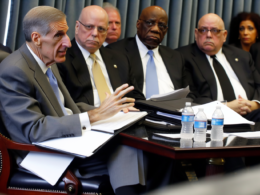




Balancing the CFTC and advancing crypto regulation! Senate meetings focus on key amendments to the Digital Commodity Intermediaries Act. #CryptoRegulation #CFTC #Blockchain
- Introduction
- Background and Context
- Main Explanation
- Challenges and Opportunities
- Future Outlook
- Conclusion
Introduction
In the ever-evolving world of cryptocurrency, regulatory frameworks are a critical component in ensuring market stability and investor security. The United States is no exception to this necessity, as it grapples with the complexities of integrating digital assets into its financial system. A focal point of this integration is the Commodity Futures Trading Commission (CFTC), an agency pivotal in overseeing commodity futures and options markets, which now extends its purview to digital commodities. However, recent developments have put the CFTC at the center of a significant regulatory debate, as it currently operates with only one Senate-confirmed commissioner, raising questions about its effectiveness and balance.
As lawmakers reconvene on Capitol Hill, the spotlight turns to the Digital Commodity Intermediaries Act (DCIA), a proposed bill aimed at establishing a clear market structure for digital assets. This bill is crucial for defining the roles of major regulatory bodies like the CFTC and the Securities and Exchange Commission (SEC) in the crypto space. Amidst a backdrop of political maneuvering and industry lobbying, the DCIA’s progress has been stalled by amendments and procedural delays, including inclement weather. This article delves into the intricacies of the DCIA, the challenges faced by the CFTC, and the broader implications for US crypto regulation.
Background and Context
The Role of the CFTC in Cryptocurrency Regulation
The Commodity Futures Trading Commission (CFTC) has long been a cornerstone of the American financial regulatory landscape, tasked with overseeing the futures and options markets. With the rise of cryptocurrencies, the CFTC’s role has expanded to include digital assets considered commodities, such as Bitcoin. This expansion positions the CFTC as a key player in shaping the regulatory environment for cryptocurrencies, a responsibility that requires a robust and balanced leadership structure.
Leadership Challenges at the CFTC
The CFTC is designed to operate with a five-member commission, including a chairperson, to ensure diverse perspectives and effective decision-making. However, recent resignations, including that of Acting Chair Caroline Pham, have left the commission with only one Senate-confirmed member, Chair Michael Selig. This situation has sparked concerns among lawmakers about the agency’s ability to function effectively and maintain regulatory balance.
The Digital Commodity Intermediaries Act (DCIA)
The DCIA represents a significant legislative effort to establish a comprehensive market structure for digital assets. It seeks to delineate the regulatory roles of the CFTC and SEC, providing clarity and stability to the crypto markets. The bill includes various amendments addressing issues such as stablecoin rewards, tokenized equities, and decentralized finance. However, its passage has been complicated by political pushback and procedural delays, including a recent winter storm that postponed critical meetings.
Main Explanation
The Importance of a Balanced CFTC
A fully staffed CFTC is crucial for implementing effective regulatory measures in the rapidly evolving digital asset space. The agency’s ability to enforce rules and protect investors hinges on its leadership’s capacity to provide oversight and make informed decisions. The current lack of commissioners undermines this capacity, potentially leading to regulatory gaps and market instability.
Legislative Proposals and Amendments
The DCIA includes several key amendments aimed at addressing the issue of CFTC leadership. Notably, Senator Amy Klobuchar has proposed an amendment that would prevent the implementation of the DCIA until at least four commissioners are confirmed by the Senate. This proposal underscores the importance of a balanced commission in ensuring the effective regulation of digital commodities.
Industry and Political Pushback
The DCIA has faced resistance from various stakeholders, including lawmakers and industry leaders. Concerns have been raised about specific provisions related to stablecoin rewards, tokenized equities, and decentralized finance. These provisions have sparked debates about the appropriate level of regulation and the potential impact on innovation and market growth. Additionally, political dynamics and lobbying efforts have influenced the bill’s progress, highlighting the complex interplay between regulation and industry interests.
The Role of the SEC in Digital Asset Regulation
While the CFTC focuses on commodities, the SEC plays a crucial role in regulating securities, including certain digital assets. The DCIA aims to clarify the boundaries between these two agencies, reducing regulatory overlap and confusion. This clarity is essential for fostering a stable and predictable regulatory environment that can support the growth of the crypto industry.
Challenges in Coordinating CFTC and SEC Roles
Coordinating the roles of the CFTC and SEC presents significant challenges, as both agencies have distinct mandates and regulatory philosophies. The DCIA seeks to address these challenges by establishing clear guidelines for jurisdiction and oversight. However, achieving consensus on these guidelines requires careful negotiation and collaboration between the agencies and lawmakers.
Challenges and Opportunities
Challenges Facing the CFTC and DCIA
The primary challenge facing the CFTC is its current leadership deficit, which hinders its ability to effectively regulate the evolving digital asset market. This challenge is compounded by the complexity of the DCIA, which must navigate a landscape of diverse stakeholder interests and rapidly changing market dynamics. Additionally, political resistance and procedural delays pose significant obstacles to the bill’s passage and implementation.
Opportunities for Regulatory Innovation
Despite these challenges, the DCIA presents an opportunity for regulatory innovation in the US crypto market. By establishing a clear and comprehensive framework, the bill has the potential to enhance market stability, protect investors, and foster innovation. A fully staffed CFTC could leverage this framework to implement effective oversight and enforcement measures, supporting the growth and maturation of the digital asset industry.
Future Outlook
Potential Developments and Trends
Looking ahead, the successful passage and implementation of the DCIA could set a precedent for future regulatory efforts in the digital asset space. By providing clarity and stability, the bill could attract increased investment and innovation, positioning the US as a leader in the global crypto market. Additionally, a fully operational CFTC could play a pivotal role in shaping international regulatory standards, promoting cooperation and consistency across jurisdictions.
Long-term Implications
In the long term, a robust regulatory framework for digital assets could enhance market confidence and attract a broader range of participants, including institutional investors. This increased participation could drive further growth and innovation, contributing to the development of a more diverse and resilient financial ecosystem. However, achieving these outcomes will require ongoing collaboration between regulators, lawmakers, and industry stakeholders to address emerging challenges and opportunities.
Conclusion
The path to effective cryptocurrency regulation in the United States is fraught with challenges, but it also holds significant promise. The DCIA represents a critical step toward establishing a clear and comprehensive market structure for digital assets, but its success depends on the resolution of key issues, including the leadership deficit at the CFTC. By addressing these challenges and fostering collaboration between regulators and industry stakeholders, the US can create a regulatory environment that supports innovation, protects investors, and promotes market stability. As lawmakers continue to debate the DCIA, the future of US crypto regulation hangs in the balance, with the potential to shape the trajectory of the digital asset industry for years to come.