
Robinhood CEO cites GameStop saga as a “wake-up call” for tokenization. Can faster settlement solve trading woes? #Tokenization #GameStop #Robinhood
- Introduction: The GameStop Phenomenon and Its Impact on Financial Markets
- Historical Context: How the GameStop Saga Unfolded
- Main Insights on Tokenization: The Future of Trading
- Challenges and Criticisms of Tokenization
- Future Outlook: The Role of Tokenization in Financial Markets
- Final Reflections on Tokenization: Lessons from the GameStop Episode
Introduction: The GameStop Phenomenon and Its Impact on Financial Markets
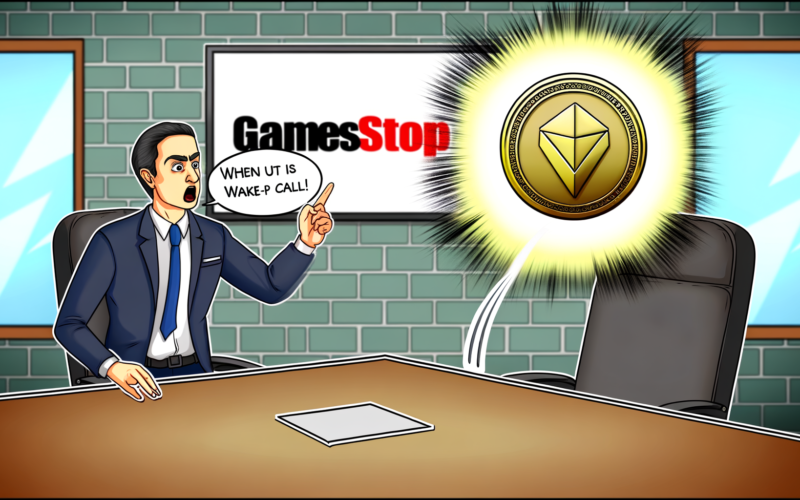
In early 2021, a financial storm swept through Wall Street, driven primarily by the retail trading frenzy surrounding GameStop (GME) stock. This unprecedented event saw the stock’s value skyrocket from $17 to an intraday high of $483 within weeks, largely fueled by retail investors from Reddit’s r/WallStreetBets community. While this surge brought substantial gains for some, it also revealed critical flaws in the existing market infrastructure, particularly within brokerage platforms like Robinhood. According to Robinhood CEO Vlad Tenev, the GameStop incident served as a “wake-up call,” exposing vulnerabilities in the U.S. market’s plumbing and highlighting the need for innovative solutions like tokenization to prevent similar crises in the future. This article delves into the GameStop episode, its implications for financial markets, and how tokenization could potentially revolutionize trading by offering real-time settlement and enhanced liquidity management.
Historical Context: How the GameStop Saga Unfolded
The Birth of a Meme Stock
The GameStop saga began as retail traders on Reddit identified it as an undervalued stock, primed for a short squeeze. Hedge funds had heavily shorted GameStop, betting on its decline. However, fueled by online forums and social media, retail traders initiated a massive buying spree, driving up the stock’s price and forcing short sellers to cover their positions at significant losses. This created a feedback loop, further propelling GameStop’s valuation to astronomical levels.
Robinhood’s Role and the Subsequent Fallout
As GameStop’s stock price soared, Robinhood, a popular brokerage among retail investors, found itself at the epicenter of controversy. On January 28, 2021, Robinhood restricted buying of GME and other volatile stocks, citing clearinghouse deposit requirements related to the then-standard two-day settlement cycle (T+2). This decision sparked outrage among traders, leading to lawsuits, political scrutiny, and a high-profile House Financial Services Committee hearing. Critics argued that the restrictions disproportionately affected retail investors and questioned Robinhood’s risk management and capital adequacy.
The Shift from T+2 to T+1 Settlement
In the aftermath of the GameStop debacle, Robinhood advocated for a shift from T+2 to T+1 settlement, reducing the time it takes to finalize trades. While this transition marks progress, delays still occur, especially around weekends, highlighting the limitations of traditional settlement cycles. The GameStop episode underscored the urgent need for more efficient, real-time solutions to support the growing volume of retail trading.
Main Insights on Tokenization: The Future of Trading
What is Tokenization?
Tokenization involves converting ownership rights of an asset into a digital token on a blockchain. This process allows for real-time settlement of trades, eliminating the need for intermediaries and reducing counterparty risk. By enabling 24/7 trading, tokenization offers unprecedented flexibility and accessibility for investors.
How Tokenization Can Transform Financial Markets
- Real-Time Settlement: Tokenization allows trades to settle instantly, bypassing traditional clearinghouses and reducing the risk of market disruptions like those seen during the GameStop incident.
- Enhanced Liquidity Management: By tokenizing assets, investors can trade fractional shares, increasing liquidity and market participation. This democratization of trading can significantly benefit retail investors and smaller institutions.
- Reduced Counterparty Risk: With blockchain technology ensuring transparency and security, tokenization minimizes the risk of default by any party involved in a trade, fostering trust in the financial system.
- Cost Efficiency: By cutting out intermediaries, tokenization reduces transaction costs, making trading more affordable and accessible, particularly for retail investors.
- Global Accessibility: Tokenized assets can be traded globally, breaking down geographical barriers and opening up markets to a wider range of participants.
Tokenization in Practice: Robinhood’s Vision
Robinhood has already begun rolling out tokenization initiatives in Europe, offering DeFi-enabled stock tokens for 24/7 trading. These tokens represent fractional ownership of stocks, allowing investors to trade without the constraints of traditional market hours. By leveraging blockchain technology, Robinhood aims to provide a seamless trading experience with real-time settlement and minimal friction.
Challenges and Criticisms of Tokenization
Regulatory Hurdles
One of the primary challenges facing tokenization is regulatory uncertainty. While tokenized securities offer numerous benefits, they remain subject to existing federal securities laws. This means that simply adopting a blockchain format does not change an asset’s legal status. Regulatory clarity is crucial to ensure compliance and protect investors.
Market and Technological Limitations
Despite its potential, tokenization does not eliminate all market challenges. Critics argue that while faster settlement reduces stress, it does not address issues like liquidity pressure or inadequate risk controls. Additionally, the technology underpinning tokenization must be robust enough to handle large volumes of trades and ensure security.
Internal Risk Management
The GameStop incident highlighted Robinhood’s internal risk management shortcomings. While tokenization can improve market infrastructure, brokerages must also strengthen their risk controls and capital planning to handle surges in demand effectively. As Musheer Ahmed of FinStep Asia noted, the responsibility ultimately lies with brokers to ensure smooth trading for their clients.
Future Outlook: The Role of Tokenization in Financial Markets
The Path Forward
As financial markets continue to evolve, tokenization represents a promising avenue for innovation and efficiency. By enabling real-time settlement and reducing transaction costs, tokenization can enhance market resilience and accessibility. However, its success hinges on resolving regulatory challenges and ensuring robust technological infrastructure.
Predictions for Tokenization Adoption
In the coming years, we can expect to see increased adoption of tokenization across various asset classes, from equities to real estate. As blockchain technology matures and regulatory frameworks adapt, tokenization could become a standard practice in financial markets, offering investors greater flexibility and control over their assets.
The Broader Impact on the Financial Ecosystem
Tokenization has the potential to reshape the financial ecosystem, fostering greater inclusion and participation. By democratizing access to markets and reducing barriers to entry, tokenization can empower retail investors and drive innovation in financial products and services.
Final Reflections on Tokenization: Lessons from the GameStop Episode
The GameStop incident was a pivotal moment for financial markets, revealing critical flaws in existing infrastructure and sparking discussions on the future of trading. Tokenization offers a compelling solution, promising real-time settlement, enhanced liquidity management, and reduced counterparty risk. However, its success depends on addressing regulatory challenges and strengthening risk management practices.
As we look to the future, the lessons from GameStop underscore the importance of innovation and adaptability in financial markets. By embracing tokenization and leveraging blockchain technology, we can build a more resilient, efficient, and inclusive financial system that meets the needs of a diverse range of investors.
In conclusion, while tokenization is not a panacea for all market challenges, it represents a significant step forward in the evolution of trading. As the financial landscape continues to evolve, tokenization will undoubtedly play a crucial role in shaping the future of finance, offering new opportunities and pathways for investors worldwide.